Bringing Nature's Charm to Your Projects with Cute Natural Floral Decor
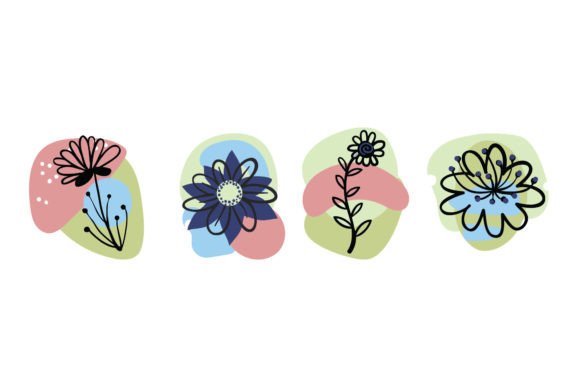
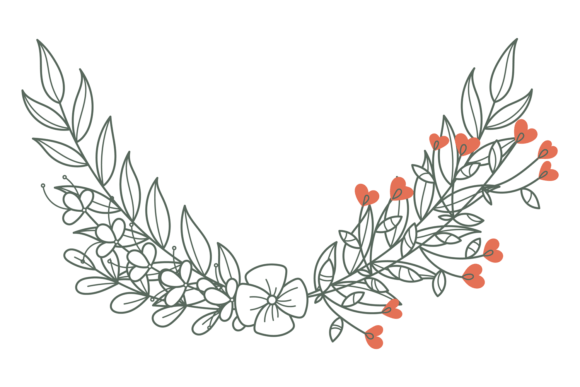
Imagine a perfect little sketch of a flower or leaf, hand-drawn with a touch of whimsy, isolated and ready to bring a smile to any design. This is the essence of the DEcorative Floral Element. Cute Natural. It represents a specific style of graphic asset that has surged in popularity for its ability to add warmth, personality, and a breath of fresh air to digital and physical creations. Unlike overly formal or complex botanical illustrations, these elements are characterized by their friendly, approachable, and slightly imperfect charm, evoking the feeling of a delightful doodle found in a personal sketchbook.
What Exactly Is This Floral Design Element?
At its core, the DEcorative Floral Element. Cute Natural is a versatile graphic file. Typically, you'll find it offered as a set including multiple file formats like EPS for vector editing, JPG for standard use, SVG for web and scalable applications, and a transparent PNG for easy layering. The "Cute Natural" descriptor is key. It means the artwork isn't trying to be a scientifically accurate rendering. Instead, it features soft lines, perhaps a slightly uneven stem, a bloom with just a hint of sketched texture, and an overall aesthetic that feels organic and handcrafted. The "isolated on white background" aspect ensures it's a clean, standalone item, free from visual clutter, making it incredibly simple to use.
Key Characteristics That Define Its Style
Several features unite to create the recognizable look of these decorative elements.
- Gentle, Sketch-Like Lines: The outlines often mimic the feel of a pencil or fine liner pen, not rigid computer-generated paths.
- Soft Color Palettes: Colors are typically muted, natural, and calming—think sage greens, blush pinks, creamy yellows, and soft browns.
- Simplified Forms: Flowers, leaves, buds, and branches are reduced to their most charming essentials, avoiding intricate detail.
- A Sense of Whimsy: There's often a playful, light-hearted quality that feels personal and welcoming.
The Remarkable Value and Purpose of Cute Floral Graphics
Why has this particular style become such a sought-after resource? Its value lies in its ability to humanize and soften design in an increasingly digital world. The DEcorative Floral Element. Cute Natural serves as a bridge between cold, hard pixels and the warm, imperfect beauty of nature. Its primary purpose is to decorate and enhance without overwhelming. It adds visual interest, establishes a tone, and creates focal points that are pleasing and engaging.
For creators, the multi-format bundle (EPS, JPG, SVG, PNG) provides immense practical value. You can scale the vector (EPS/SVG) version to any size for a large banner without losing quality, use the PNG on a website with a transparent background, or quickly place the JPG in a document. This flexibility saves hours of design time and makes professional-looking embellishment accessible to everyone.
Who Benefits from Using These Elements?
The audience for this resource is broad, touching numerous fields and hobbies.
- Small Business Owners & Entrepreneurs: They can use these elements to create charming logos, friendly social media posts, welcoming website headers, and cozy product labels for brands selling handmade goods, boutique items, or services in wellness, childcare, or crafts.
- Digital Content Creators & Bloggers: Perfect for adding visual breaks in long articles, creating custom featured images, designing unique email newsletter headers, or enhancing YouTube video thumbnails with a natural touch.
- Graphic Designers & Marketers: Professionals use them as quick, high-quality assets in larger compositions, for client projects requiring a natural aesthetic, or to add decorative borders and frames.
- Crafters & DIY Enthusiasts: The files can be used for personal projects like custom wedding invitations, baby shower decorations, scrapbooking, or designing patterns for home-made gifts.
- General Online Users: Anyone looking to personalize a digital card, a presentation slide, a personal website, or even a desktop wallpaper can find these elements easy to use and instantly uplifting.
Real-World Applications and Scenarios
Let's move from theory to practice. Where might you actually see or use a DEcorative Floral Element. Cute Natural?
Scenario 1: Launching a Home-Based Bakery. The owner, not a professional designer, downloads a set of cute floral elements. Using the transparent PNGs, she quickly creates a simple but beautiful logo featuring a sketched wheat stalk and blossom for her "Nature's Knead" bakery. She uses the SVG files on her website to create decorative dividers between sections. The JPGs become part of her Instagram posts announcing new sourdough flavors. The cohesive, natural look is achieved without a huge design budget.
Scenario 2: A Blogger Writing About Mindfulness. To make her articles more visually serene, she places small, cute floral PNGs beside key quotes or at the end of posts. The gentle sketches reinforce her themes of growth, calm, and natural simplicity, improving reader engagement without distracting from the text.
Scenario 3: Designing a Baby Shower Invitation. A family member uses a word processor and inserts a cute floral JPG as a border. They combine a few different elements from the set—a tiny bud, a soft leaf—to create a custom, heartfelt design that feels personal and far more special than a generic template.
Evaluating Suitability for Your Project
While wonderfully versatile, the DEcorative Floral Element. Cute Natural style might not be the perfect fit for every need. Here is some guidance to evaluate its suitability.
Consider Its Strengths: It excels in projects requiring warmth, approachability, a handmade feel, a connection to nature, femininity, gentleness, or simplicity. It is superb for branding that wants to avoid corporate coldness. The multi-format offering supports both print and digital seamlessly.
Understand Its Considerations: This style may not suit projects requiring grandeur, extreme modernity, technical precision, or masculine, bold aesthetics. The "cute" factor is inherent; if your project needs to feel authoritative or starkly minimalist, a different graphic style would be more appropriate. Also, ensure the color palette of the element harmonizes with your existing project colors.
When evaluating a specific asset, look at the line quality and composition. Does the sketch feel authentic and charming? Are the elements truly isolated, with no stray marks? Check the file formats provided to ensure they match your technical capabilities (e.g., if you need to edit, you'll require the EPS or SVG).
Integrating Nature's Sketch into Your Creative Workflow
Adopting these decorative elements into your process can be straightforward and rewarding. Start by defining the tone you wish to set. Is it cozy, cheerful, serene, or playful? The DEcorative Floral Element. Cute Natural can support all these moods. Then, think of them as accents, not centerpieces. A single small element in a corner can be more effective than a large, crowded pattern. Use the transparent PNG to layer it over photographs or textured backgrounds. Use the vector formats to change colors if needed, ensuring it blends perfectly with your palette.
Remember, the goal is to enhance and decorate. Their isolated nature means you have complete control. You can rotate them, group a few together to create a new cluster, or use them as repeated patterns. They offer a foundation of natural charm upon which you can build your unique visual story.
Ultimately, the DEcorative Floral Element. Cute Natural is more than just a graphic file. It's a tool for injecting a moment of hand-drawn beauty, a whisper of the outdoors, and a dose of friendly charm into the digital canvas. Whether you're a professional crafting a brand identity or someone simply wanting to beautify a personal project, these little sketches offer a path to a design that feels authentic, welcoming, and delightfully natural.