Hand Drawn Wedding Decor: A Floral Pattern Element for Your Creative Toolkit
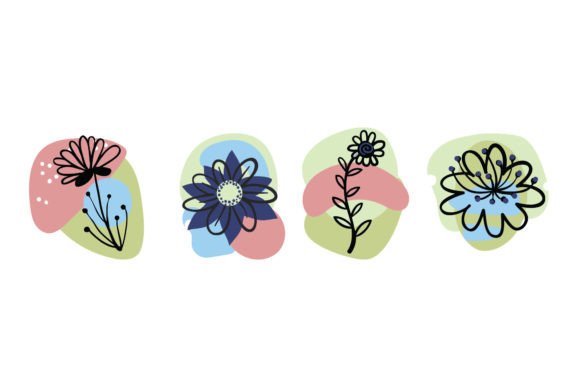
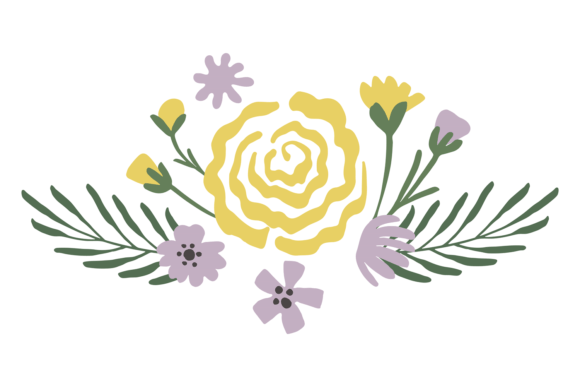
You’re scrolling through inspiration for a project—maybe a wedding invitation, a blog banner, or a product label—and you see that perfect, delicate floral flourish. It’s not a stiff, symmetrical corporate logo; it’s something softer, with a touch of personality. That’s likely the essence of a Floral Pattern Element. Hand Drawn Weddi. It’s a specific type of digital graphic: a hand-drawn wedding-themed floral design, isolated on a white background, often provided in versatile file formats like EPS, JPG, SVG, and transparent PNG. But its utility stretches far beyond the wedding aisle.
The Real-World Utility of a Single Artistic Element
Think of this element not as a finished product, but as a raw ingredient. A chef doesn’t just serve a tomato; they use it to build a sauce, a salad, or a garnish. Similarly, a creator doesn’t just slap this floral pattern onto a page. They integrate it, adapt it, and use it to evoke a specific feeling. The “hand drawn” quality is crucial here. It communicates warmth, authenticity, and a crafted touch, directly opposing the coldness of perfectly vectorized, geometric design. That human feel is what people connect with.
Where and Why This Element Finds Its Home
Let’s move past abstract labels and into actual scenarios. A freelance graphic designer has a client who runs a small, organic skincare brand. The client wants a new label for their lavender soap that feels “gentle and botanical, but not old-fashioned.” The designer could spend hours illustrating a custom floral border, or they could skillfully incorporate a pre-made hand drawn wedding decor floral element, adapting its colors and scale. The SVG file allows for crisp scaling; the transparent PNG lets it overlay beautifully on textured backgrounds. The project is completed faster, the client gets the artisan vibe they wanted, and the designer maintains profitability.
Or consider a blogger focusing on rustic DIY home projects. She’s writing a post about creating pressed flower candles. Her header image needs something to tie it together. Using a floral pattern element as a subtle watermark in the corner, or as a repeated border in her blog post’s PDF download, instantly elevates the visual cohesion of her content. It signals a consistent, thoughtful brand to her readers without requiring her to be a master illustrator.
Diverse Use Cases: From Personal Projects to Commercial Platforms
The applications cross multiple boundaries. Here are more grounded examples.
- The Small Business Owner: An entrepreneur launching an online stationery shop uses the floral element to create a cohesive suite of graphics. It becomes the decorative corner on her website’s “About Us” page, the background pattern for her email newsletter header, and the delicate frame around her product photos on social media. The consistent use of one core element builds recognizable brand identity from day one.
- The Educator or Content Creator: A teacher designing a beautiful worksheet for a poetry unit, or a YouTuber making a custom thumbnail for a video about garden photography, might use this element. The JPG is quick to place; the EPS file allows for deeper editing in professional software. It adds an aesthetic layer that makes functional materials feel more engaging and special.
- The Crafting Hobbyist: Someone preparing for a friend’s bridal shower might use the transparent PNG file. They can print it onto cardstock for handmade favor tags, or use it as a design template for etching onto a glass. The element provides a professional-looking artistic base for personal, physical crafts.
- The Digital Marketer: In an email campaign for a boutique hotel’s “spring getaway” package, a floral pattern element used as a subtle header divider or footer accent can visually reinforce the theme of relaxation and natural beauty, increasing the campaign’s sensory appeal without overwhelming the message.
What to Consider Before You Use It
While the versatility is clear, successful use depends on a few practical considerations. First, context is everything. This specific element carries a “wedding decor” connotation, which implies romance, celebration, and elegance. It would feel incongruous on a website for a tech startup or a manual for industrial equipment. Its power lies in projects where those softer qualities are assets.
Second, think about file format choice. Each file serves a different purpose. The SVG file is ideal if you need to resize the graphic infinitely without quality loss, or edit its paths in a vector program. The transparent PNG is perfect for digital overlays where you need no background. The JPG is a straightforward, ready-to-place image for quick uses, while the EPS file is a professional standard for high-end print design workflows. Knowing your end medium—web, print, physical craft—guides which file you download and use.
Finally, consider integration versus dominance. The most effective use of such a pattern element is often as an accent, not the centerpiece. It’s a supporting player that enhances the main content. Overusing it or making it too prominent can make a design feel cluttered or generically “pretty.” The goal is to use it to amplify your existing message, not to replace it.
Connecting Features to Tangible Outcomes
It’s easy to list “hand drawn,” “isolated,” and “multiple formats” as features. But what do those actually do for someone? The hand-drawn style creates an outcome of perceived authenticity and warmth, helping a small business feel more personal and approachable. The isolation on a white background (with a transparent option) delivers the outcome of effortless integration, saving a busy creator hours of tedious Photoshop clipping work. The multiple file formats provide the outcome of flexibility, allowing the same asset to be used for a web banner (PNG), a large print poster (SVG/EPS), and a quick social media post (JPG). The value is in these real results, not the technical specifications.
In essence, a Floral Pattern Element like this is a bridge. It bridges the gap between wanting a custom, artistic look and having the time or skill to draw it from scratch. It bridges the need for consistency across different media—digital and print. For the entrepreneur, it’s a branding tool. For the blogger, it’s a content enhancer. For the hobbyist, it’s a shortcut to beauty. Its definition is technical, but its purpose is profoundly practical. It exists to be deployed in the messy, wonderful, real-world projects where people are trying to communicate, celebrate, sell, teach, or make something a little more lovely.