The Art of Spring Botanical Florals: From Nature to Digital Creation
Spring is a season of renewal, a vibrant burst of life that paints the world with color and texture. At the heart of this transformation are botanical flowers—the intricate, beautiful blooms that define the essence of spring. For designers, artists, and creators, capturing this essence and translating it into digital art is both a passion and a practical craft. This article explores the world of spring botanical florals, not just as natural wonders, but as versatile digital assets that bridge nature, creativity, and technology.
Understanding Botanical Florals: More Than Just Pretty Pictures
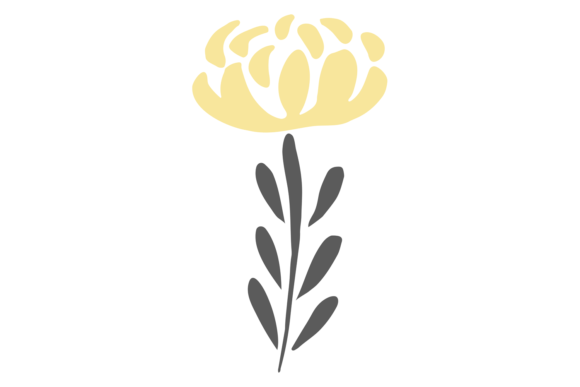
When we talk about spring botanical flower floral designs, we're referring to artistic representations of flowers that emphasize accuracy, detail, and natural beauty, often inspired by botany—the scientific study of plants. Unlike abstract floral patterns, botanical art typically aims to depict specific flowers, their structures, and their natural arrangements with a degree of fidelity. This could range from a detailed illustration of a single tulip to a lush composition of cherry blossoms, daffodils, and hyacinths.
The purpose of creating such digital floral designs is multifaceted. They serve as a celebration of nature, a tool for communication, and a flexible resource for countless projects. Their significance lies in their universal appeal; flowers are a cross-cultural symbol of growth, beauty, and positivity. In a digital context, these designs become building blocks for visual storytelling.
The Digital Spring Botanical Kit: What You Actually Receive
When you acquire a digital product like a spring botanical floral set, understanding the files is key to unlocking its potential. A typical offering, as mentioned, might include 5x digital files in total with a canvas size of 1920px by 1280px, delivered in multiple formats. Let's demystify what each format means and why this variety is so crucial for practical relevance.
- 1 AI File: This is a native Adobe Illustrator file. It's the master source, containing editable vector paths, layers, and color information. It's essential for professional designers who want to modify, scale, or deconstruct the design without any loss of quality.
- 1 EPS File: The Encapsulated PostScript file is a legacy vector format that ensures compatibility with a wide range of software, including older design programs and some printing systems. It's a reliable, scalable format.
- 1 SVG File: Scalable Vector Graphics is the modern web standard for vector images. This file is perfect for use in web design, digital interfaces, and projects where the design needs to scale perfectly on different screen sizes. It's also editable with code.
- 1 JPG File: The ubiquitous JPEG is a raster image—meaning it's made of pixels. This high-quality, compressed file is ideal for immediate use in digital presentations, social media, or as a placeholder where easy viewing and sharing are the priority.
- 1 PNG File: The Portable Network Graphics file is also a raster format but with a key advantage: it supports transparency. This is invaluable for placing your floral design over different backgrounds without a white border, making it perfect for logos, web elements, or overlays.
The canvas size of 1920x1280 pixels provides a high-resolution base, suitable for both web use and many print applications without appearing pixelated. This package structure is designed for maximum flexibility, allowing the same beautiful spring botanical artwork to flow seamlessly from a corporate website (using the SVG) to a printed fabric pattern (using the AI or EPS) to a social media post (using the PNG).
The Practical Relevance in Modern Life and Work
Spring botanical florals fit into contemporary contexts in surprisingly diverse ways. Their application goes far beyond simple decoration.
In Business and Branding
Floral designs can convey brand values like freshness, growth, elegance, or sustainability. A company focusing on organic products might use a clean botanical illustration in its logo or packaging. The availability of vector files (AI, EPS, SVG) allows a brand to use the same core floral asset across all its touchpoints—from the tiny favicon on its website to the large graphic on its storefront—ensuring consistent branding.
In Education and Communication
Botanical illustrations are excellent educational tools. A clear, attractive diagram of a flower's parts, created from such a digital asset, can enhance a textbook, an online course module, or a public infographic about spring ecology. The JPG or PNG files are often perfect for quick insertion into presentations or handouts.
In Creativity and Personal Projects
For crafters, hobbyists, and DIY enthusiasts, these files are raw material. The SVG can be used with cutting machines to create vinyl decals or intricate paper art. The high-resolution JPG could be the centerpiece of a custom digital invitation for a spring wedding or baby shower. The design becomes a springboard for personal expression.
In Technology and Digital Experiences
The SVG file format highlights the intersection of florals and technology. As a code-based vector format, SVGs allow these floral designs to be animated, interacted with, or dynamically colored on a website, creating engaging user experiences. A subtle, animated botanical border can make a digital interface feel alive and seasonal.
Clarifying Common Misunderstandings
Several assumptions can limit the effective use of such digital floral assets. Let's address them.
Misunderstanding 1: "It's just a picture I can use as a wallpaper." While true, this view underestimates the value. The multi-format package turns a single "picture" into a professional design resource. The vector files mean you are not just using a static image; you are using a scalable, editable design system.
Misunderstanding 2: "The different file formats are just duplicates." This is a critical error. Each format serves a distinct technical purpose. Using a JPG for a large-scale print job will result in blurry output. Using a PNG where a vector SVG is needed for a responsive website will lead to poor performance and scaling issues. Choosing the right file for the right job is essential.
Misunderstanding 3: "Botanical art is only for nature-themed projects." The versatility of a well-executed spring floral design is immense. Its themes of renewal and beauty can resonate in finance (for a "growth" report), technology (for a "fresh update" announcement), wellness, education, and beyond. The context is defined by how you use it.
Building a Broader Understanding: The Ecosystem of Digital Florals
To truly grasp the topic, see your spring botanical floral files not as an isolated product, but as a node in a larger creative ecosystem.
- The Source: Inspiration comes from real-world spring botany—studying flowers, their colors, shapes, and arrangements.
- The Creation: Using tools like Adobe Illustrator, an artist translates this inspiration into a structured digital design, creating the master AI file.
- The Export: From that master file, various "child" files (EPS, SVG, JPG, PNG) are generated, each optimized for a different channel or medium.
- The Application: These files are deployed across the ecosystem: the web (SVG), print (AI/EPS), social media (PNG/JPG), merchandise, and personal projects.
- The Impact: The final design communicates, decorates, educates, and enhances experiences wherever it is applied, carrying the feeling of spring into digital and physical spaces.
For example, a single spring botanical floral design could start as an observation of tulips in a garden. It becomes a vector illustration. That illustration is then used as the SVG background for a gardening app's login screen, the EPS file for printing on seed packet labels, and the PNG file for an Instagram post about spring gardening tips. One core idea, radiating out into multiple relevant applications.
Conclusion: Blending Nature with Digital Utility
The journey from a living spring flower to a set of five digital files encapsulates a beautiful synergy. It represents how we can capture the ephemeral beauty of nature and transform it into enduring, flexible tools for modern life. Whether you are a business owner looking to refresh your brand, a teacher creating engaging materials, or a hobbyist exploring new crafts, understanding the purpose and power of these spring botanical flower floral assets empowers you to use them effectively. By appreciating both their aesthetic inspiration and their technical specifications, you can integrate the joy and renewal of spring into your work, your creativity, and your digital world.