The Power of the Floral Print Element: From Nature to Digital Symbol
In the world of design, certain motifs transcend time and trend. The floral print element—a stylized flower isolated on a clean background—is one such enduring symbol. You encounter it everywhere: on a website icon, a fabric pattern, a company logo, or a digital illustration. This simple, elegant representation of nature has evolved from a decorative art to a versatile digital asset, available as an EPS vector, a JPG photo, a scalable SVG, or a transparent PNG. But what makes this element so significant? Let’s explore its journey from a basic nature symbol to a cornerstone of modern visual communication.
Understanding the Core: What Is a Floral Print Element?
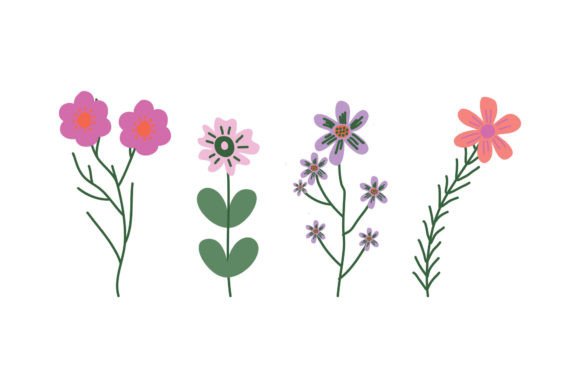
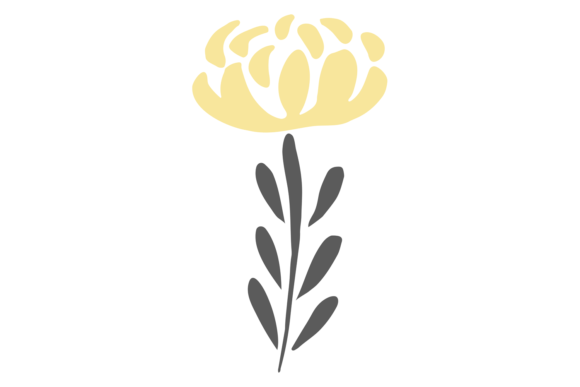
At its most fundamental, a floral print element is a stylized, simplified representation of a flower or botanical form. It is not a hyper-realistic photograph of a rose; it is an artistic interpretation. The stylization process removes complex details, focusing on the essential shapes, curves, and symmetry of a blossom, leaf, or stem. This abstraction allows the element to become a clear, recognizable symbol. When isolated on a white (or transparent) background, it becomes a pure graphic object, free from visual clutter, ready to be placed into any composition.
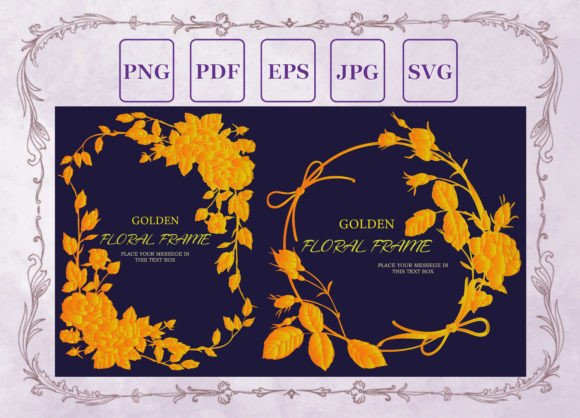
The key to its utility lies in its file formats. Each serves a distinct purpose in the digital ecosystem:
- EPS (Encapsulated PostScript): A vector format ideal for professional print design and large-scale applications, where infinite scalability without quality loss is crucial.
- JPG (JPEG): A raster image format perfect for web use, photography contexts, and situations where a smaller file size is needed, though with a fixed resolution.
- SVG (Scalable Vector Graphics): The modern web-standard vector format. It allows flowers to scale perfectly on any screen, is often editable with code, and is essential for responsive website design and interactive graphics.
- Transparent PNG: Perhaps the most commonly used format for digital projects. The transparency (alpha channel) means the floral element can be layered seamlessly over any other background, color, or image, making it a designer’s favorite for quick compositing.
This combination of artistic simplification and technical versatility transforms a simple flower into a powerful design component.
The Purpose and Significance: Why a Simple Flower Matters
The significance of the floral print element extends far beyond decoration. It serves multiple layered purposes in communication and psychology.
First, it is a universal symbol of nature, growth, and positivity. In a digital age often dominated by cold tech imagery and geometric shapes, introducing a floral element instantly brings a touch of organic warmth, life, and beauty. It can soften a brand’s identity, make an interface feel more welcoming, or add a breath of freshness to a dense document.
Second, it acts as a highly effective visual shorthand. A stylized flower can represent concepts like:
- Eco-friendliness and sustainability.
- Health, wellness, and natural products.
- Femininity, elegance, or romance (depending on the style).
- Creativity, blossoming, and new ideas.
Third, its flexibility makes it a critical tool for brand cohesion. A company might use the same core floral element across all mediums—from the SVG in their web app icon to the EPS in their printed brochures to the PNG on their social media posts. This ensures visual consistency, reinforcing brand recognition wherever the audience encounters it.
Floral Elements in Modern Life and Work
The practical relevance of these assets is immense, touching nearly every field of creative and professional endeavor.
Business and Branding
In branding, a stylized floral element is often the heart of a logo or brand mark for industries connected to nature, beauty, wellness, or organic products. Think of cosmetics brands, organic food companies, yoga studios, or eco-friendly retailers. The element provides an immediate, emotional connection to the brand’s values. Furthermore, in marketing materials, these isolated flowers are used as repeatable patterns on packaging, as decorative accents in layouts, or as intuitive icons representing product categories.
Web Design and Technology
Here, the SVG and PNG formats dominate. A stylized flower SVG can be an animated loading icon, a hover-effect button, or a part of a dynamic data visualization. Its scalability ensures it looks sharp on a smartphone, tablet, or desktop monitor. Transparent PNGs of floral elements are ubiquitous in web graphics, used to create appealing headers, blog post featured images, or as subtle background textures that don’t overwhelm content. They help bridge the gap between human-friendly design and digital functionality.
Education and Creativity
For educators and content creators, floral print elements are invaluable teaching and design tools. In a lesson about botany or ecosystems, a clear, stylized flower diagram (SVG or EPS) can explain plant structure more clearly than a busy photograph. In creative projects—from crafting DIY wedding invitations to designing a school newsletter—access to a library of transparent PNG flowers allows anyone, regardless of graphic design skill, to add professional-looking, beautiful accents to their work.
Daily Activities and Personal Use
Even in daily digital life, these elements play a role. People use them to personalize their digital spaces: as custom wallpaper elements, in the design of personal blogs, or to create unique graphics for social media posts. The availability of free or purchasable PNG packs has democratized design, enabling personal expression with a touch of nature’s elegance.
Clarifying Common Misunderstandings
Several assumptions about floral print elements can limit their effective use. Let’s clarify them.
Misunderstanding 1: "They are just for 'feminine' or 'pretty' designs." While they are used in those contexts, stylized flowers have a much broader range. A geometric, sharp-line floral element can convey modern tech or architecture. A minimalist single leaf can symbolize sustainability for a rugged outdoor brand. The style of the stylization dictates the message, not the subject matter itself.
Misunderstanding 2: "A JPG is fine for everything." This is a technical pitfall. Using a low-resolution JPG for a large print poster will result in a blurry, pixelated flower. Conversely, using a large EPS file for a tiny web icon is inefficient. Understanding the purpose of each format—EPS/JPG for print/photographic contexts, SVG/PNG for digital/web contexts—is key to professional results.
Misunderstanding 3: "It's just a decoration, not real content." In modern design, visual elements carry semantic weight. A well-placed floral symbol can guide user attention, break up textual monotony to improve readability, and reinforce the thematic message of the content. It’s a functional part of the communication hierarchy.
Building a Broader Understanding: Context and Application
To truly leverage the floral print element, think of it as a modular building block within a larger visual language.
Consider how it fits into a system. For example, a company’s visual identity might have a primary logo, a color palette, a typeface, and then a supporting library of graphic elements. The stylized flower, in various formats, would be part of that library, to be used consistently but flexibly alongside other symbols. This systemic thinking elevates the element from a one-off graphic to a strategic asset.
Furthermore, the trend towards customization and authenticity means that unique, hand-drawn, or culturally specific stylized flowers are becoming more valuable than generic clip art. A floral element inspired by specific folk art or native botanical species can tell a richer, more authentic brand story.
Examples in Action
Imagine these scenarios to see the element’s natural application:
- A wellness app uses a serene, simplified lotus flower as its app icon (SVG). Within the app interface, smaller transparent PNG versions of that same lotus are used as visual markers for "meditation complete" or "daily goal achieved."
- A sustainable coffee brand’s packaging uses an EPS vector of a stylized coffee flower as a repeated pattern on its biodegradable bag. On its website, that same flower, now as a transparent PNG, floats in the background of its "Our Farm" story page.
- A teacher creating a worksheet about pollination uses a set of SVG flowers and bees that students can click and drag to illustrate the process interactively on a digital whiteboard.
In each case, the same core concept—the stylized floral element—adapts to the medium and purpose, proving its indispensable role.
The Enduring Bloom in a Digital World
The floral print element, particularly the versatile stylized flower isolated on a white background, is more than a pretty picture. It is a fundamental piece of visual vocabulary that connects our digital experiences to the natural world. Its evolution into multiple file formats—EPS, JPG, SVG, transparent PNG—is a testament to its adaptability across the entire spectrum of modern creation: from high-end print to dynamic code.
By understanding its purpose as a symbolic communicator, its practical relevance across business, tech, education, and daily life, and the technical nuances of its formats, we can appreciate and utilize this tool with greater depth. Whether you are a brand manager, a web developer, an educator, or simply someone adding beauty to a personal project, the floral element offers a bridge between simplicity and sophistication, between nature and technology—a timeless bloom in the garden of design.