The Art of Victorian Era Floral Design
The Victorian Era, spanning much of the 19th century, left an indelible mark not just on architecture and literature, but also on the decorative arts. Among its most enduring legacies is a distinctive approach to floral imagery known as Victorian Era Floral Design. This style is characterized by its lush detail, symbolic depth, and romantic sensibility. Today, these intricate patterns offer a timeless aesthetic, making them a perfect resource for creators looking to add a touch of historical elegance to modern projects.
A Language of Flowers: Purpose and Symbolism
Victorian Era Floral Design was never merely decorative; it was a rich, symbolic language. In a society where direct expression was often constrained, flowers communicated complex messages of sentiment, morality, and status. This practice, known as floriography, meant every bloom carried meaning. Roses spoke of love, lilies of purity, ivy of fidelity, and forget-me-nots of true remembrance. Consequently, Victorian Era Flower Design is imbued with this layered symbolism. The designs often feature carefully chosen floral groupings, not just random arrangements, intended to convey specific themes like everlasting devotion, innocence, or remembrance.
Key Characteristics of the Style
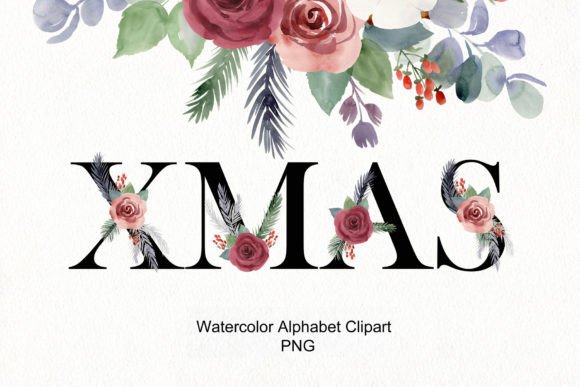
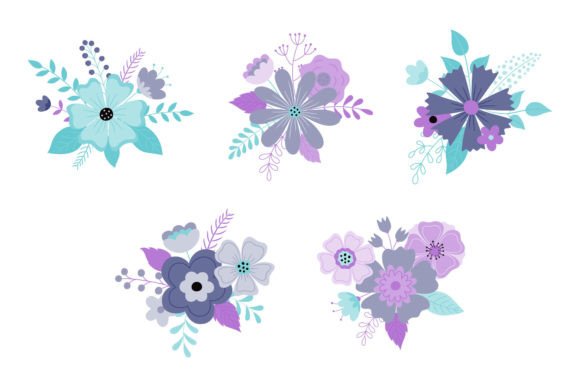
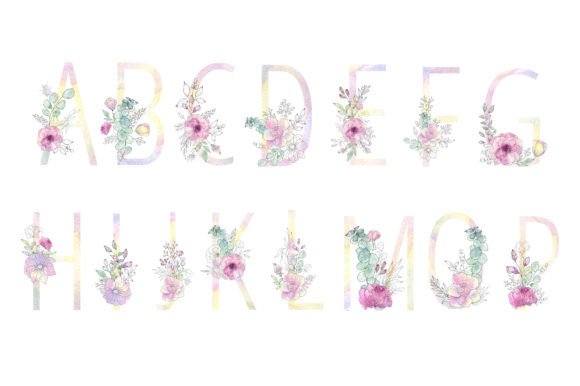
Recognizing a Victorian Era Floral Design is about understanding its visual hallmarks. These designs are typically dense and abundant, favoring full, lush bouquets and intertwined vines over sparse, minimalist arrangements. They emphasize naturalism but within a composed framework, often presented in wreaths, garlands, or symmetrical sprays. Color palettes can be rich and vibrant or soft and muted, but they always maintain a sense of harmony. Common features include delicate line work, the inclusion of botanically accurate details, and the use of ornamental elements like ribbons, urns, or lace. This attention to detail creates a sense of opulence and crafted beauty.
The Modern Value of a Historical Design
Why does Victorian Era Floral Design remain so compelling for contemporary creators? Its value lies in its versatility and emotional resonance. The designs offer an instantly recognizable aesthetic of elegance and refinement. They provide a ready-made connection to themes of romance, heritage, and natural beauty, which are universally appealing. For anyone creating a product or project that aims to evoke warmth, sophistication, or a nostalgic charm, incorporating Victorian Era Flower Design can achieve that effect effortlessly.
Endless Applications: From Blog Templates to Wedding Decor
The practical applications for Victorian Era Floral Design are virtually limitless, thanks to its scalable, high-resolution format. Here are some real-world scenarios where this theme shines:
- Digital & Print Media: Use the designs as featured graphics on a blog template, creating an atmospheric header or background that sets a classic tone for your content. They are equally perfect for personalized stationery, gift tags, or homemade cards, adding a special touch to personal correspondence.
- DIY Crafts & Decor: The designs are ideal for physical applications. Imagine using them for decoupage on a jewelry box, as the focal point on a decorated journal cover, or as elegant patterns on custom wrapping paper. For party crafts or classroom projects, they provide a beautiful, ready-to-use artistic element.
- Weddings & Special Events: Victorian Era Floral Design is a natural fit for wedding decorations. Elements can be incorporated into invitation suites, program designs, table centerpieces, or even cake decorations to create a cohesive, romantic theme.
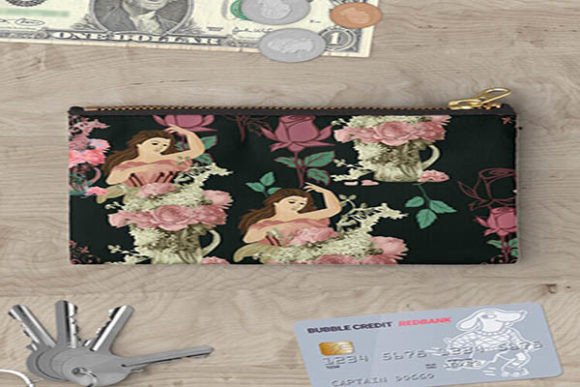
- Personalized Merchandise: Apply the designs to create unique phone cases, personalized mugs, or scrapbook pages. The high-resolution ensures the intricate details remain crisp and beautiful on any surface.
Who Benefits Most from This Design Theme?
This theme is a powerful tool for a wide audience. General consumers and hobbyists can use it to elevate personal projects without needing advanced design skills. Professionals like event planners or small business owners can leverage its aesthetic to brand their offerings with a distinctive classic look. Online creators, including bloggers and social media influencers, can use it to cultivate a specific visual identity. Essentially, anyone seeking a pre-designed element of beauty and historical depth will find value in Victorian Era Floral Design.
Evaluating Suitability for Your Project
While wonderfully versatile, it's wise to consider a few points to ensure Victorian Era Floral Design aligns with your goals. First, consider the emotional tone of your project. This style inherently carries a classic, often romantic or sentimental vibe. It may not suit projects aiming for a ultra-modern, minimalist, or starkly futuristic feel. Second, assess the scale and context. The intricate details are a strength, but on very small items like tiny gift tags, some complexity might be lost. Finally, think about color adaptation. While many designs come in beautiful preset palettes, you might need to adjust colors slightly to match your project's specific scheme, which is easily done with digital files.
Strengths and Practical Expectations
The primary strength of Victorian Era Floral Design is its ready-made elegance. It provides immediate access to a high-quality, historically-informed aesthetic, saving considerable design time. The high-resolution files ensure flexibility for both print and digital use. A key consideration is that it is a specific style. Its use commits your project to a particular historical aesthetic. This is a benefit if that’s your goal, but a limitation if you seek ambiguity. Also, because the designs are often rich and detailed, they work best when given prominence as a focal point rather than being used as a subtle, background texture.
Bringing History into Your Hands
Incorporating Victorian Era Flower Design into your work is more than just applying a pattern; it’s an invitation to weave a thread of history into your creation. Whether you’re crafting a card for a loved one using the symbolic language of flowers, designing a blog that feels both fresh and timeless, or creating wedding decor that speaks of enduring romance, these designs offer a bridge between the past and present. By understanding its characteristics, symbolism, and ideal applications, you can confidently and effectively employ this beautiful art form to enhance your projects, adding a layer of meaning and beauty that resonates deeply.