Floral Invitation Card Templates: Design Your Celebration’s First Impression
An invitation is more than just a piece of information; it's the first glimpse into the style and sentiment of your event. Whether you're planning a wedding, a birthday party, or a garden-themed brunch, the design of your invitation sets the tone. In the digital age, creating these beautiful first impressions has become more accessible and customizable thanks to the widespread use of invitation card templates. Among the most beloved and versatile styles is the Floral Decorative design. Combining timeless elegance with modern convenience, a floral invitation card template offers a perfect starting point for both novice designers and seasoned professionals.
Why a Floral Theme Works for Any Occasion
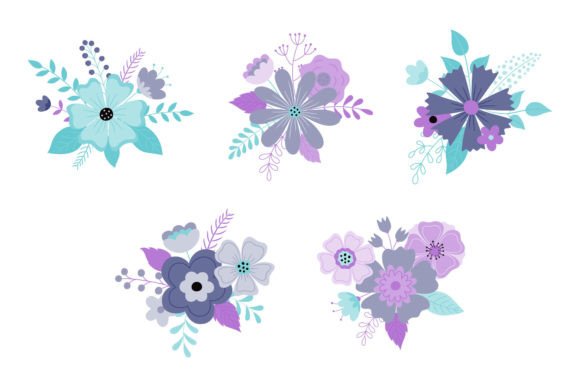
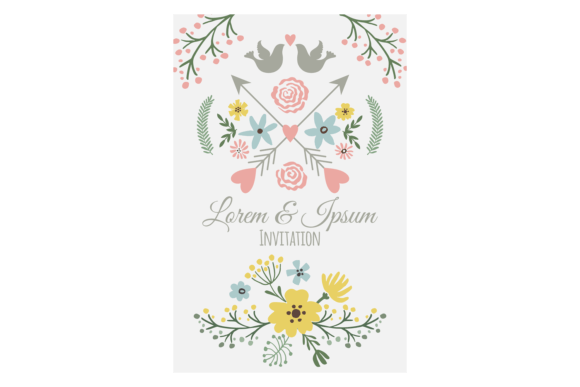
Floral designs are universally appealing. They evoke feelings of growth, beauty, nature, and celebration. Unlike more abstract or minimalist designs, floral decorative page design carries an inherent warmth and charm that resonates across cultures and age groups. A floral invitation card template isn't limited to spring weddings. With careful selection of color palette and flower types, it can be adapted for a sophisticated corporate luncheon, a vibrant summer festival, a cozy autumn dinner, or a festive holiday party. The flexibility of floral elements—from delicate single blossoms to lush, sprawling garden scenes—makes this theme endlessly adaptable.
Consider the practical benefits: florals are visually engaging, they can help establish a color scheme for your entire event, and they communicate a sense of care and detail. When guests receive a beautifully designed floral invitation, it builds anticipation and underscores the importance of the occasion. Using a pre-designed Floral Decorat template simply means you're building on a foundation of proven aesthetic appeal.
The Anatomy of a Quality Floral Invitation Template
Not all templates are created equal. A high-quality floral invitation card template should offer more than just a pretty picture. It should be a comprehensive framework for your information. Key characteristics include:
- A Balanced Layout: Space is allocated thoughtfully for the critical text (date, time, venue, RSVP details) without competing with the decorative floral elements. The florals should enhance, not overwhelm, the readability.
- Layer Flexibility: Especially in vector formats like EPS or SVG, the floral decorative page design should have elements separated or grouped. This allows you to change colors, move a cluster of leaves, or resize a bouquet without affecting the text boxes.
- Typography Harmony: The template often suggests or includes font styles that complement the floral art—perhaps a elegant script for a formal event or a clean sans-serif for a more modern garden party.
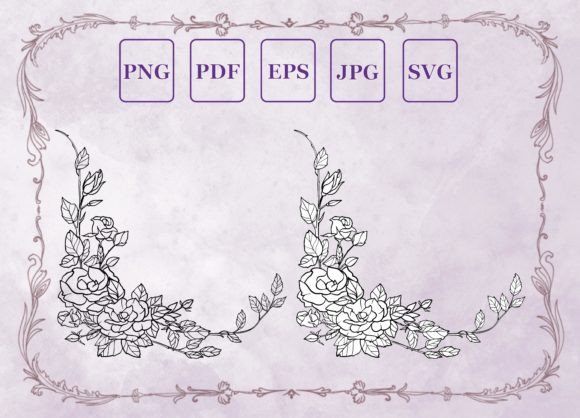
- Multi-Format Readiness: A professional template package typically includes files in EPS (for advanced vector editing), JPG (for quick use and online sharing), and SVG (for web-based and scalable applications). This ensures you can use the design across different platforms, from professional printing to digital email invitations.
Modern Workflows: From Template to Finished Invite
How does a floral invitation card template fit into today's project planning? The process is remarkably streamlined. Many individuals and small businesses no longer start from a blank page. Instead, they select a template that aligns with their vision—like a specific Floral Decorat style—and then customize it. This approach saves immense time and reduces design anxiety.
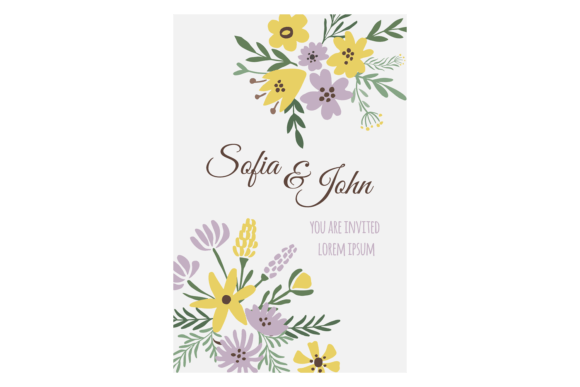
Here’s a common scenario: A couple planning a wedding downloads a vector illustration EPS template of a floral decorative page design. Using software like Adobe Illustrator or even free online tools that support SVG, they can:
- Change the rose colors from pink to match their burgundy wedding palette.
- Insert their names and details into the pre-formatted text areas.
- Adjust the layout slightly to include a small monogram.
- Export a high-resolution JPG for their printer and a lower-resolution version for a social media event page.
This workflow democratizes design. It allows people to focus on personalization and content rather than struggling with foundational design principles. For graphic designers, these templates serve as excellent starting blocks or client presentations, speeding up the initial concept phase.
Choosing the Right Template for Your Project
With countless floral invitation card templates available online, making a choice can feel daunting. Your decision should be guided by a few practical considerations:
Event Formality: Are delicate, hand-drawn wildflowers appropriate, or do you need structured, symmetrical bouquets for a formal affair? The style of the florals speaks volumes.
Customization Needs: Do you need to extensively edit the design? If so, prioritize vector formats (EPS, SVG) over static JPG. Vector files give you the freedom to edit every line and color.
Output Method: Will these be professionally printed on thick cardstock, or are they digital-only invites? For print, ensure the template resolution is high (300 DPI or more). For digital, an SVG or JPG is perfectly suitable.
Cohesion with Other Materials: A floral decorative page design can set the theme for your entire event suite. Consider if the template’s floral motif can be easily adapted for matching programs, menus, or thank-you cards. Consistency in design elements creates a polished, professional feel.
The Hidden Value of Vector Floral Illustrations
While a JPG image of a floral invitation is useful, the real power often lies in the vector file formats. An Floral Decorat design provided as an EPS or SVG vector illustration is a scalable, editable asset. This means you can resize it from a tiny favicon for your event website to a large banner sign without any loss of quality. The colors are typically not fixed; they are defined by codes that can be changed globally with a few clicks in design software.
This makes a vector floral invitation card template a long-term resource. You might use it for the main invitation, then adapt the same floral elements to create coordinating stickers, drink labels, or even a backdrop design. For businesses that run regular events, having a core set of editable floral templates becomes a brand asset, ensuring visual consistency across multiple occasions.
Real-World Applications Beyond Paper
The application of these templates extends far beyond physical cards. The digital nature of the assets, particularly SVG files, allows them to integrate into our online lives seamlessly. A floral decorative page design can become:
- The header image for an online event registration page.
- A animated graphic in an email invitation sequence.
- A watermark or background for digital photo albums from the event.
- A design element for custom merchandise created for the occasion.
This versatility underscores how a good template is not just a one-time-use product. It’s a design component that can enrich the entire event experience, from the first announcement to the last thank-you.
Final Observations on Floral Decorative Design
Embracing a floral invitation card template is a smart blend of tradition and technology. It honors the classic beauty of floral art while leveraging modern digital tools for efficiency and customization. When selecting your template, look for designs that feel authentic and have room for your personal touch. Remember, the goal is to create an invitation that feels uniquely yours, even if you started with a template framework.
The Floral Decorat theme, in particular, offers a bridge between natural beauty and structured design. It tells your guests that your event will be both considered and celebratory. By understanding the qualities of a good template, the formats available, and how it fits into your planning workflow, you can confidently choose and customize a floral decorative page design that perfectly announces your special occasion.